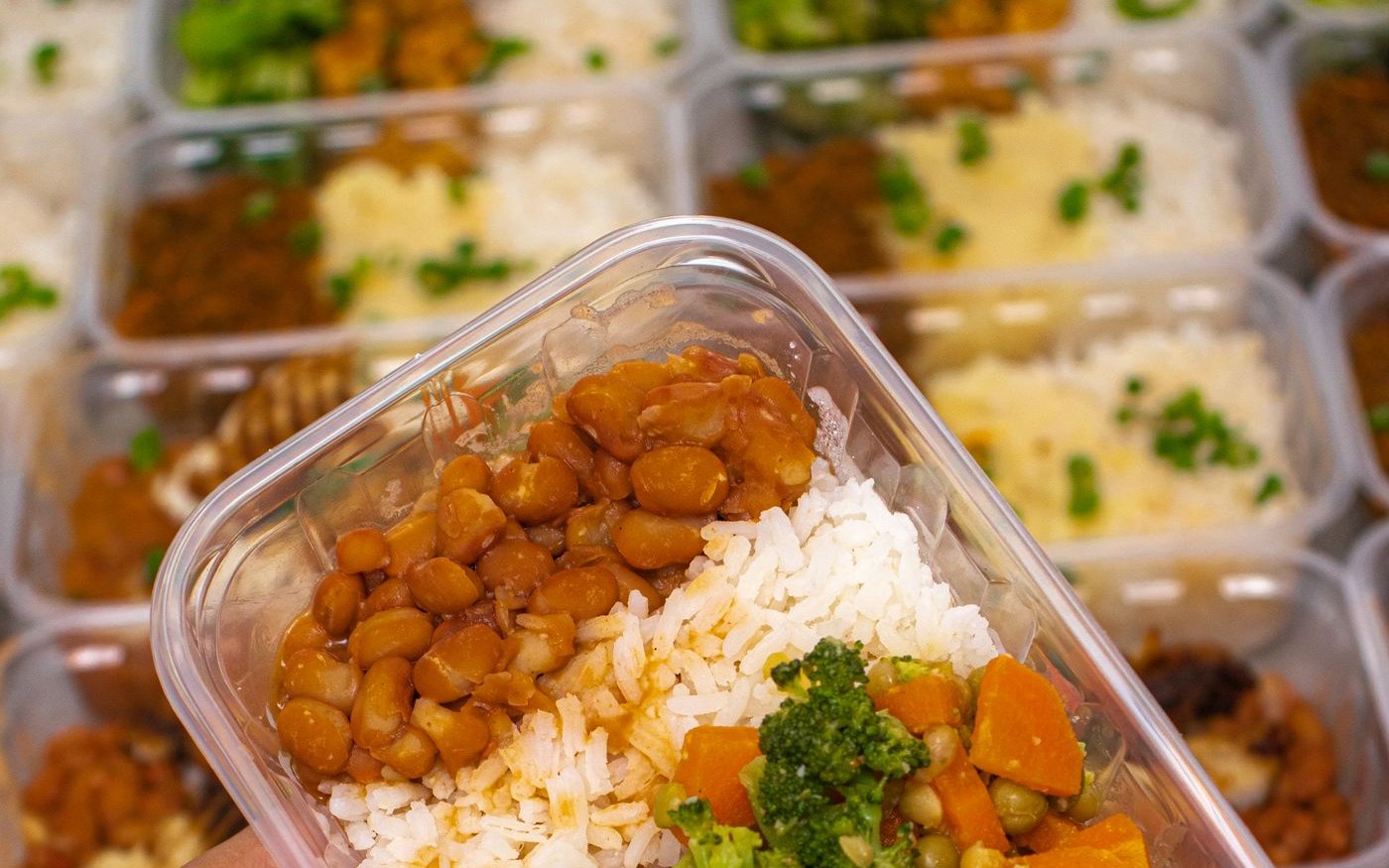
If healthy eating feels overwhelming, you are not alone. Between trending diets, conflicting headlines and endless product labels, it is easy to forget that nutrition, at its heart, is simple: giving your body the fuel it needs to feel good. This guide strips it back to the basics.
Build your plate, not your diet
Instead of counting every calorie or cutting out entire food groups, picture a balanced plate. A simple way to divide an everyday meal is to fill half of your plate with vegetables and fruit, a quarter with a protein source, and the remaining quarter with whole grains or starchy vegetables. Add a little healthy fat for flavor and satisfaction.
- Vegetables and fruit — volume, fiber, vitamins and color.
- Protein — beans, lentils, eggs, fish, poultry, tofu or dairy for repair and strength.
- Whole grains — oats, brown rice, whole wheat bread or quinoa for lasting energy.
- Healthy fats — olive oil, nuts, seeds and avocado for heart and brain support.
Eat enough, and eat regularly
Under-eating often backfires. When you go too long without food, energy dips, cravings spike and it becomes much harder to make calm choices later. Aim for three satisfying meals and, if you need them, one or two snacks in between. Regular meals keep your blood sugar steady and your mood more even.
Make water your default drink
Water supports digestion, circulation, concentration and healthy skin. Keeping a bottle nearby is often all the reminder you need. If plain water feels boring, add a slice of lemon, cucumber or a few mint leaves. Other drinks are fine in moderation — water simply does the most work.
Read labels without the stress
You do not need to analyze every package. Two quick checks go a long way: look at the ingredient list (shorter and more recognizable is usually better) and glance at added sugar and sodium. Over time, these small habits make choosing between similar products almost automatic.
Plan for real life
- Keep a few simple staple meals you can make on tired evenings.
- Wash and chop vegetables as soon as you bring them home.
- Batch-cook a grain or protein to mix through the week.
- Allow room for the foods you genuinely enjoy — balance includes joy.
Balanced nutrition is not about being perfect. It is about making nourishing choices most of the time, in a way you can actually sustain. Start with one change — a colorful lunch, a glass of water with breakfast, an extra vegetable at dinner — and let the habits build from there.
 Simple Ways to Boost Your Immunity Naturally
 Everyday Habits for a Healthier Heart